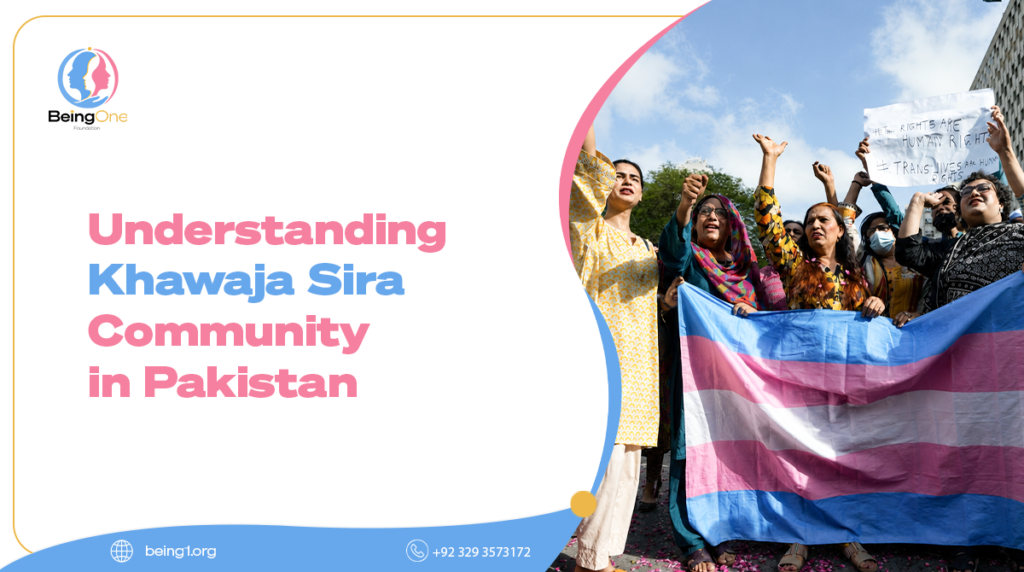
Understanding the Khawaja Sira Community in Pakistan
The Khawaja Sira community exists as an essential part of South Asia’s cultural, social, and spiritual history. Unlike Western binary definitions of gender or individual-level identity, “Khawaja Sira” is an ancient umbrella term used in Pakistan to describe intersex individuals.
Back in the ages, the community was respected as advisors, guardians, and artists during the Mughal era. However, after that, the community has faced decades of severe limitations. Once it was considered a reputed community, but unfortunately, today the community is struggling and fighting a crucial battle to establish its legal recognition, social justice, and basic human dignity.
This article provides an understanding of the Khawaja Sira community in Pakistan. From terminology, identity, historical roots, Gharana System, and socio-economic challenges, learn everything about this special community.
Khawaja Sira: Terminology, Identity, and Historical Roots
Understanding the language, character, and historical background of this community is crucial to avoiding misrepresentation. Viewing from the Western clinical lens, the Khawaja Sira identity faces elimination of centuries of localized history.
The Umbrella Term
Khawaja Sira is an umbrella term used to identify the community. The Khawaja means master, lord, or highly respected elder in the community. However, Sira means an inner court, palace, or royal building where the members of the royal family live.
Regional Identifiers
The community is known differently based on the ethical background, local language, individual perceptions, and province level. For example, in Sindhi and Urdu languages, the community is called Hijra; Punjabi people call them Khawaja Sira, and the community individuals are known as Murat, or Moorat by Pashtun people.
The Colonial Impact
The modern marginalization of the Khawaja Sira community can be traced directly back to British colonial rule. Under the Criminal Tribes Act of 1871, the British colonial government criminalized the public presence, clothing choices, and cultural practices of gender-nonconforming individuals, labeling them “inherently criminal.” This legal eradication attempt shifted public perception, transforming a historically respected group into social outcasts, a stigma that persists today.
The Traditional Khawaja Sira’s Dera or Gharana System
The vast majority of the Khawaja Sira individuals are abused, rejected, and even expelled by their biological families even at a young age. This is the reason they need to rely on a highly organized, alternative kinship network known as the Khawaja Sira Gharana or Dera system. This living system provides them protection and ensures better survival.
The Guru-Chela Relationship
The Gharana architecture operates on a strict yet protective hierarchy where a Guru (Mentor) adopts, trains, and guides a Chela (disciple). The Guru assumes a parental role, offering mentorship, professional training, and cultural initiation. In return, the Chela contributes a portion of their earnings to the upkeep of the house and respects the Guru’s authority.
Social and Financial Safety
The Gharana provides housing, food, emotional support, and physical protection to community members who have nowhere else to go. When a community member falls ill, faces legal trouble, or passes away, the Gharana manages healthcare arrangements, defense, and traditional funeral rites that biological families frequently refuse to perform.
Cultural and Linguistic Transmission
It is through these alternative kinship houses that unique cultural practices are preserved across generations. This includes specialized dance forms, musical traditions, and the transmission of Farsi (also known as Kissa), a secret coded dialect spoken exclusively within the community to communicate safely in hostile public spaces.
Socio-Economic Challenges Faced By The Khawaja Sira Community
Despite pioneering legal declarations, the daily reality for the average Khawaja Sira individual involves navigating a deeply hostile social environment.
Limited Livelihood
General workplace discrimination prevents community members from securing mainstream employment. Consequently, many are forced into traditional, survival-based livelihoods:
- Badhai: Performing ritual dances, singing, and offering spiritual blessings at weddings, births, and housewarmings.
- Street Begging: Collecting small change at traffic intersections or local markets due to a total lack of alternative income streams.
Healthcare Barriers
Medical institutional transphobia is a persistent obstacle. Patients frequently encounter outright refusal of treatment, public humiliation, or segregation from medical staff in public hospitals. In emergencies, doctors often debate whether to place a critically injured Khawaja Sira patient in a male or female ward, causing life-threatening delays. Furthermore, the trauma of societal rejection contributes to high rates of severe depression, anxiety, and suicide, while trans-competent mental health services remain practically non-existent.
What does BeingOne Foundation do for the Community?
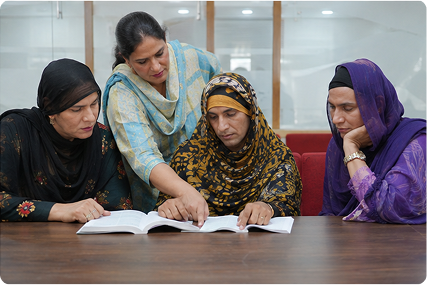
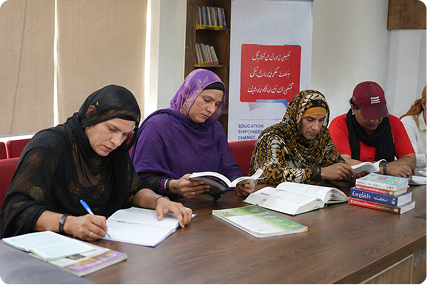
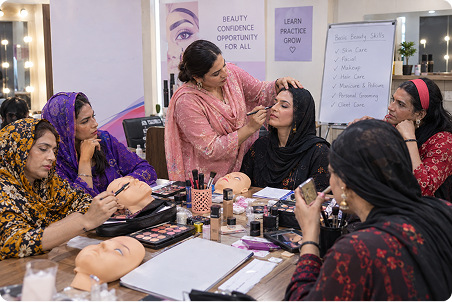
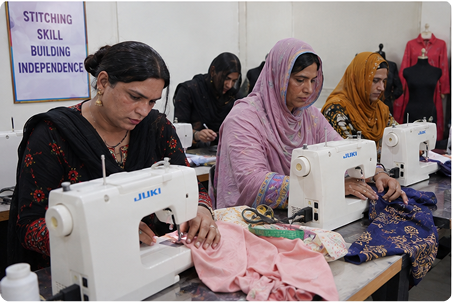
BeingOne Foundation is a non-profit organization that focuses on the well-being of the Khawaja Sira community in Pakistan. The organization has a clear vision to register the Khawaja Sira individuals in Pakistan by 2027. Besides this, the organization is working to provide the community with comprehensive education, easy healthcare access, legal advisory, and safe housing (Panah Gah).
The organization requests everyone to be a part of this noble mission of transforming Khawaja Sira’s lives, offering them a safe and independent future. Your little donation can leave a lasting impact on their lives, establishing a prosperous, equal, and strengthened society without any discrimination.
Frequently Asked Questions
What is the historical background of the Khawaja Sira community?
In the past, during the time of the Mughal Empire, the Khawaja Sira community was marked as highly respected individuals in society. They worked as advisors, military leaders, and teachers for the children of the royal families. They had direct access to the public courts and private royal buildings.
What is the Guru-Chela System in the Khawaja Sira community?
As many Khawaja Sira individuals are expelled from their houses, they rely on the Gharana system, which is led by the Guru-Chela relationship. The Guru is the master or mentor who adopts and cares for their Chelas. In return, Chelas show their respect and contribute financially for the welfare of the system.
What did the British Government do with the Khawaja Sira community?
Under the Criminal Tribes Act of 1871, the British government declared the Khawaja Sira community to be by birth criminals and imposed many limitations on them.
How does BeingOne Foundation support the community
BeingOne Foundation provides the community with education, healthcare, legal advocacy, and safe housing or sanctuaries. The organization aims to register every single nationwide Khawaja Sira by 2027.
How can you support the Khawaja Sira community?
You can support the community by funding their educational materials, medications/essential lab tests, legal advocacy/paperwork, and safe housing or shelter.