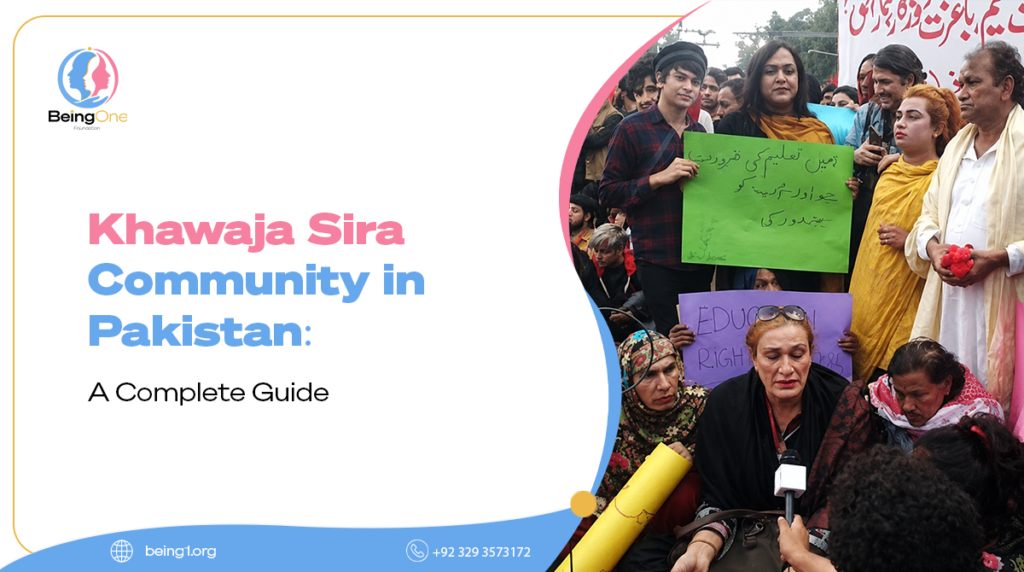
Khawaja Sira Community in Pakistan: Complete Guide
We find a rich history of the Khawaja Sira community in South Asia. Back in the ages, the community held respected positions not only in society but also in royal courts. However, in the current era, thousands of Khawaja Sira individuals are bearing intense social disgrace, financial hardships, and a lack of basic rights across Pakistan.
Understanding the unique identity, history, and challenges of the Khawaja Sira community in Pakistan can help us bring real change/impact. Running awareness campaigns and educating people about their rights can surely leave a positive impact on the community.
This guide covers everything you need to know about the Khawaja Sira community in Pakistan. It includes their cultural heritage, current daily struggles, legal rights, and how targeted social support can help build a dignified, self-reliant future. So, let’s begin understanding this community here:
What Does Khawaja Sira Mean? A Complete Guide
Khawaja Sira is a culturally distinct third gender identity deeply rooted in South Asian history, particularly in Pakistan. The word Khawaja Sira is used as an umbrella term for transgender women, intersex people, and gender-nonconforming individuals.
What is the Meaning of Khawaja Sira?
- Etymology: The term “Khawaja Sira” originates from Persian roots. Khawaja means Master, Lord, or an esteemed, honorable guardian; however, Sira means an inner chamber or palace.
- An Endonym of Respect: Historically, “Khawaja Sira” was an official, highly dignified title conferred on institutional administrators, court officials, and guardians of the royal harem.
Understanding the Khawaja Sira Community in Pakistan
The Khawaja Sira identity is not just about gender. It is a complete social system with its own deep culture, shared houses, and family-like networks.
The Guru-Chela System
The Khawaja Sira community in Pakistan exists based on a unique guru-chela system:
- The Guru: The guru is considered a teacher, leader, and protective guardian who provides Khawaja Sira individuals with housing and protection.
- The Chela: All the Khawaja Sira individuals, including students and children who learn the culture, language, and work of the community, are called chela.
History of the Khawaja Sira Community in Pakistan
The Khawaja Sira community has existed for ages; however, over the centuries, their history has changed completely because of different rulers in South Asia.
Royal Recognition in the Mughal Era
During the Mughal Empire, the Khawaja Sira community was very powerful. They worked as Royal advisors, money managers, military leaders, and teachers for the Royal Children. They had access to both public courts and private royal areas.
Colonial Erasure and the Criminal Tribes Act
When the British took charge in the subcontinent, everything changed. In 1871, the British government passed the Criminal Tribes Act. According to this act, the whole community was marked as “Criminals By Birth”. The law banned cross-dressing and dancing, stripping them of thier wealth and respect.
The Post-Independence Marginalization
These bad colonial ideas stayed even after the independence of Pakistan in 1947. The state did not give the community legal identity. The respected class pushed into deep poverty and urban slums.
Challenges Faced by Khawaja Sira People in Pakistan
Today, the Khawaja Sira community in Pakistan is facing huge hurdles in everyday life. We are going to discuss the major ones for the purpose of showing awareness in society of what they have been struggling with since their birth:
Family Rejection
In Pakistan, it is a common practice that once the child’s identity is revealed as a Khawaja Sira individual, families throw them out of their houses. This early rejection leaves severe impacts on their lives, forcing them to live alone without care, love, and safety.
No Education and Corporate Job
They become deprived of education because school bullying forces most of the children to drop out of school. As they are unable to get education or hold degrees, they cannot secure formal jobs. In some cases, where those individuals get education or a degree, instead of this, they face discrimination when it comes to getting corporate jobs.
Economic Desperation
As the community is deprived of formal jobs, they are forced to rely on three main things to survive:
- Mubarakbad/Badhai: Unfortunately, they come to see dancing and giving blessings at weddings and birth events.
- Begging: Most Khawaja Sira individuals are seen begging on the streets, bazars, and traffic signals.
Poor Healthcare
It has also been seen that hospital staff mock them and refuse to treat them. This is the reason they suffer from high levels of depression and face high risks of conditions, such as HIV (Human Immunodeficiency Virus).
Khawaja Sira Community in Pakistan: Challenges and Opportunities
We, as a protective society, can change these big challenges faced by the Khawaja Sira community into new opportunities with the right steps and strategies:
- Job Quotas: There must be a separate quota for those individuals in the government and private sectors, bringing suitable earning opportunities.
- Business Loans Program: The government or other welfare agencies should provide the community with loans, so they can start their own small businesses, freeing them from street begging.
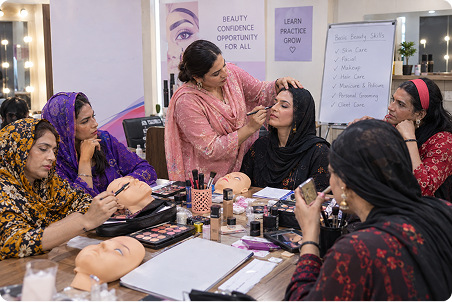
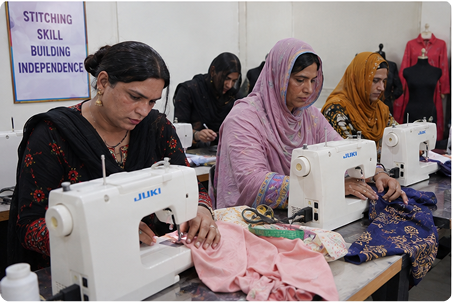
- Vocational Training: Vocational training is the way to bring exceptional career opportunities for the community. They can learn tech skills, languages, beauty work, tailoring, cooking, and other skills to start working and earning with respect.
Common Misconceptions About Khawaja Sira People
Myth: Their identity is a new Western trend.
- Reality: Their identity is a local, centuries-old South Asian culture that existed long before Western terms.
Myth: All Khawaja Siras are part of begging mafias.
- Reality: They beg because schools and offices close their doors to them. It is a forced choice for survival.
Myth: They have magical powers to bless or curse.
- Reality: They are normal human beings who need basic human respect, medical care, and equal rights.
Transgender vs. Khawaja Sira: Understanding the Terms
Today, people mix up these two different terms, but both have different roots and meanings:
- Western vs. Local: Transgender is a modern word introduced by the West; however, Khawaja Sira is an ancient, local term that originates from South Asia.
- Family Setup: In Western areas, transgender people live independently. The Khawaja Sira community lives inside a unique family setup ruled by a Guru.
- Social Roles: Unlike the broad global term “transgender,” Khawaja Siras have specific local cultural roles like singing, dancing, and giving traditional blessings.
Social Stigma and Khawaja Sira Community in Pakistan
Social stigma means when society looks down upon a specific group of people and treats them poorly based on shame and myths.
- The Shame Factor: Families in Pakistan feel severe shame if a child turns out to be a Khawaja Sira. To save their “honor,” they sever all ties with the child.
- Public Harassment: They face constant teasing, bad language, and physical laughter when they walk on the streets or travel in public buses.
- Housing Issues: Landlords refuse to rent houses to Khawaja Sira individuals because neighbors do not want them living nearby.
- Media Representation: For a long time, TV dramas showed them only as funny characters or bad people, which made public hate worse.
The Role of BeingOne Foundation for the Well-Being of Khawaja Sira Community in Pakistan
BeingOne Foundation is a dedicated organization that works for the well-being of the Khawaja Sira Community. The core focus of this organization is to register them and provide them with guidance at every step of their lives. Whether it is about their education, healthcare, legal rights, shelter, or housing, the organization brings potential solutions. Here is how the organization works to empower the community across Pakistan:
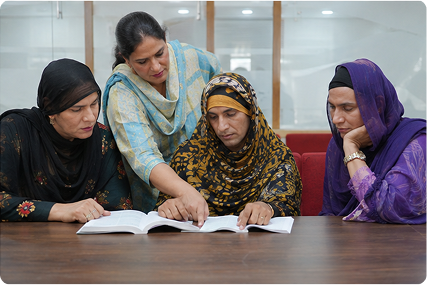
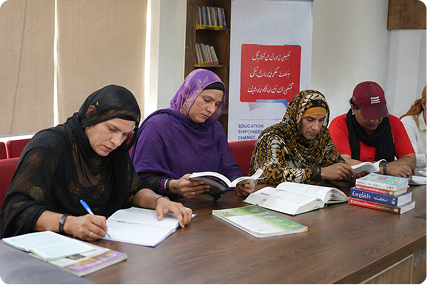
- Comprehensive Education: The organization provides Khawaja Sira individuals with holistic education to make them aware of their rights.
- Skill Empowerment: Skilled or vocational training is offered to interested and talented individuals, enabling them to live independent lives.
- Compassionate Healthcare: The organization aims to reduce HIV cases by up to 80% in the community nationwide.
- Legal Advisory: The community gets free legal advisory and assistance regarding their citizenship and inheritance rights.
- Safe Housing: Safe housing or shelters are developed to provide free and safe living spaces to deserving individuals.
Donate for the Real Cause!
BeingOne Foundation is dedicated to transforming lives across Pakistan’s Khawaja Sira community. Your support makes our mission possible. Donate today to give this community the safe, healthy, and independent future it deserves.
Frequently Asked Questions
What is meant by the term Khawaja Sira?
The term “Khawaja Sira” originates from Persian roots where Khawaja means the Master, Lord, or a Guardian. However, Sira refers to an inner chamber or palace.
What are the major challenges faced by the Khawaja Sira community in Pakistan?
Today, the major challenges faced by the Khawaja Sira community include no proper education or formal jobs, lack of healthcare access, family rejection, and economic desperation.
How does BeingOne Foundation support the community?
BeingOne Foundation aims to register every Khawaja Sira individual and empower them with education and skills to enable them to earn a bread of honor. Besides this, the organization provides them with compassionate healthcare, legal advisory, and a safe housing system to eliminate a sense of being alone and rejected.